November 17, 2026
A storage building may serve its purpose in mild weather yet become uncomfortable when summer heat or winter cold arrives. Metal roofing and siding can also develop condensation when warm, moist air reaches a cooler surface. These conditions matter when the structure holds tools, equipment, supplies, or a workspace used throughout the year.
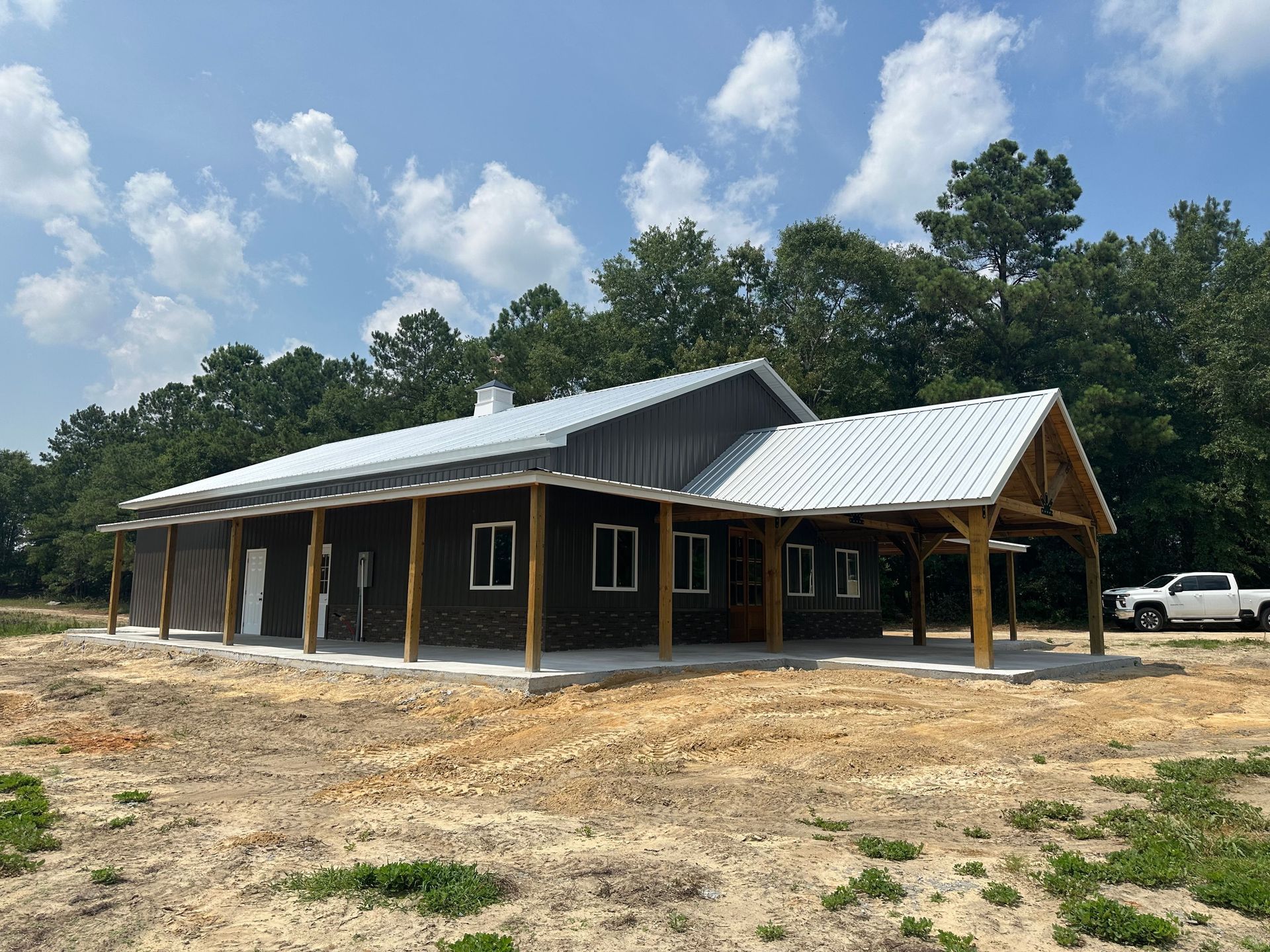
Insulation can improve comfort and expand how a building is used, but its value depends on the design and intended purpose. Owners considering upgrades to pole barns should weigh climate, ventilation, moisture control, and future plans before choosing a material.
Match the Insulation Plan to the Building's Purpose
Start with what happens inside the structure. A barn used only to shelter a tractor has different needs from a heated workshop where someone spends several hours each day. Temperature-sensitive inventory, hobby projects, and livestock housing also call for different indoor conditions.
Decide whether the goal is modest temperature moderation or a space that will be actively heated and cooled. Insulation slows heat transfer; it does not create comfortable temperatures on its own. For conditioned buildings, the design must also account for air leakage, equipment capacity, and appropriate ventilation. Planning around actual use helps avoid paying for features that provide little practical benefit.
Reduce Heat Transfer Through the Building Envelope
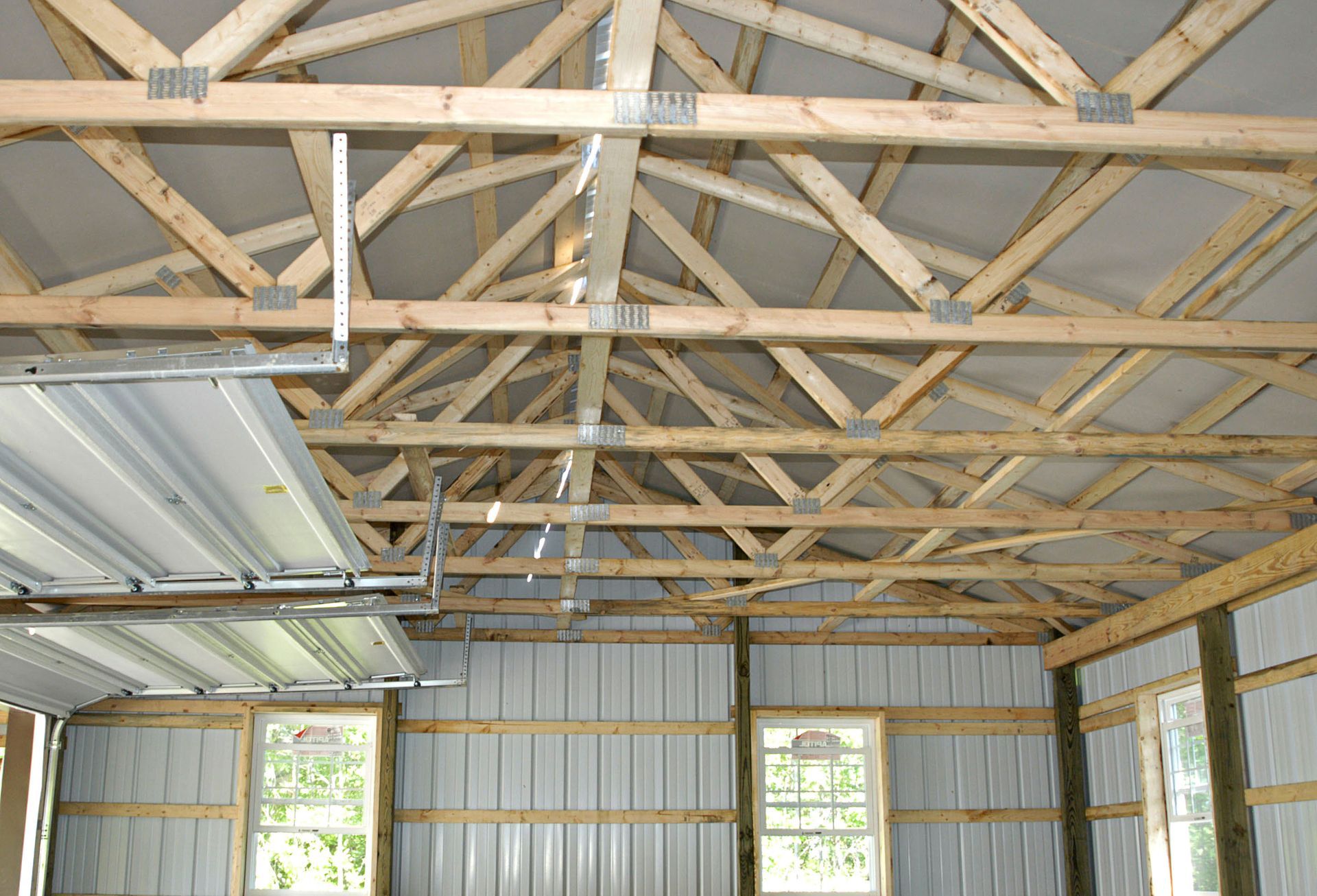
Heat moves through roofs, walls, doors, and unsealed gaps. On sunny days, metal roofing can become hot, while winter weather can pull heat from a conditioned interior. An effective insulation assembly reduces that transfer and makes indoor temperatures easier to manage.
In regularly occupied outbuildings, insulation may also reduce heating and cooling demand when installed as part of a complete building envelope. Results depend on insulation levels, air sealing, local weather, and how often equipment runs. Large overhead doors can introduce substantial air leakage, so their seals and use patterns deserve attention alongside wall and roof insulation.
Compare Materials Without Assuming One Fits Every Project
Fiberglass batts, rigid foam boards, and spray foam offer different installation methods and performance characteristics. Batts can work well in framed cavities when they fit correctly and remain dry. Rigid boards can create continuous insulated surfaces when joints and edges are detailed properly. Spray foam may help seal irregular gaps, but the appropriate product and thickness depend on the assembly.
Reflective barriers address radiant heat under suitable conditions; they do not replace all the thermal resistance needed for a conditioned space. Ask installers how the proposed system meets applicable energy and fire-safety requirements. Material choice should follow the building's needs rather than advertising claims alone. Compare stated R-values, but remember that gaps, compressed batts, and poorly sealed joints can undermine the performance of otherwise suitable products. Ask which surfaces will remain exposed and whether protective coverings are required.
Manage Condensation Before It Damages Stored Items
Moisture control involves more than putting insulation beneath a metal roof. Condensation forms when humid air contacts a sufficiently cool surface. Poor ventilation, air leaks, ground moisture, and incorrect vapor-control details can contribute to the problem. Water trapped inside a wall or roof assembly may damage finishes and stored belongings.
A knowledgeable contractor should evaluate where moisture can enter and how the assembly will dry. Vapor retarders, ventilation, and air barriers have different jobs, and their placement depends on the climate and construction details. Properly designed insulation for pole barns can be useful, but it cannot repair roof leaks or compensate for inadequate site drainage.
Make Storage and Work Areas More Useful
Insulated interiors may offer more stable conditions for tools, furniture, and materials that do not tolerate extreme temperature swings well. Reduced temperature differences can also make a workshop more comfortable when heating or cooling is provided. Those benefits are especially relevant for projects that involve careful measurements, adhesives, finishes, or extended work sessions.
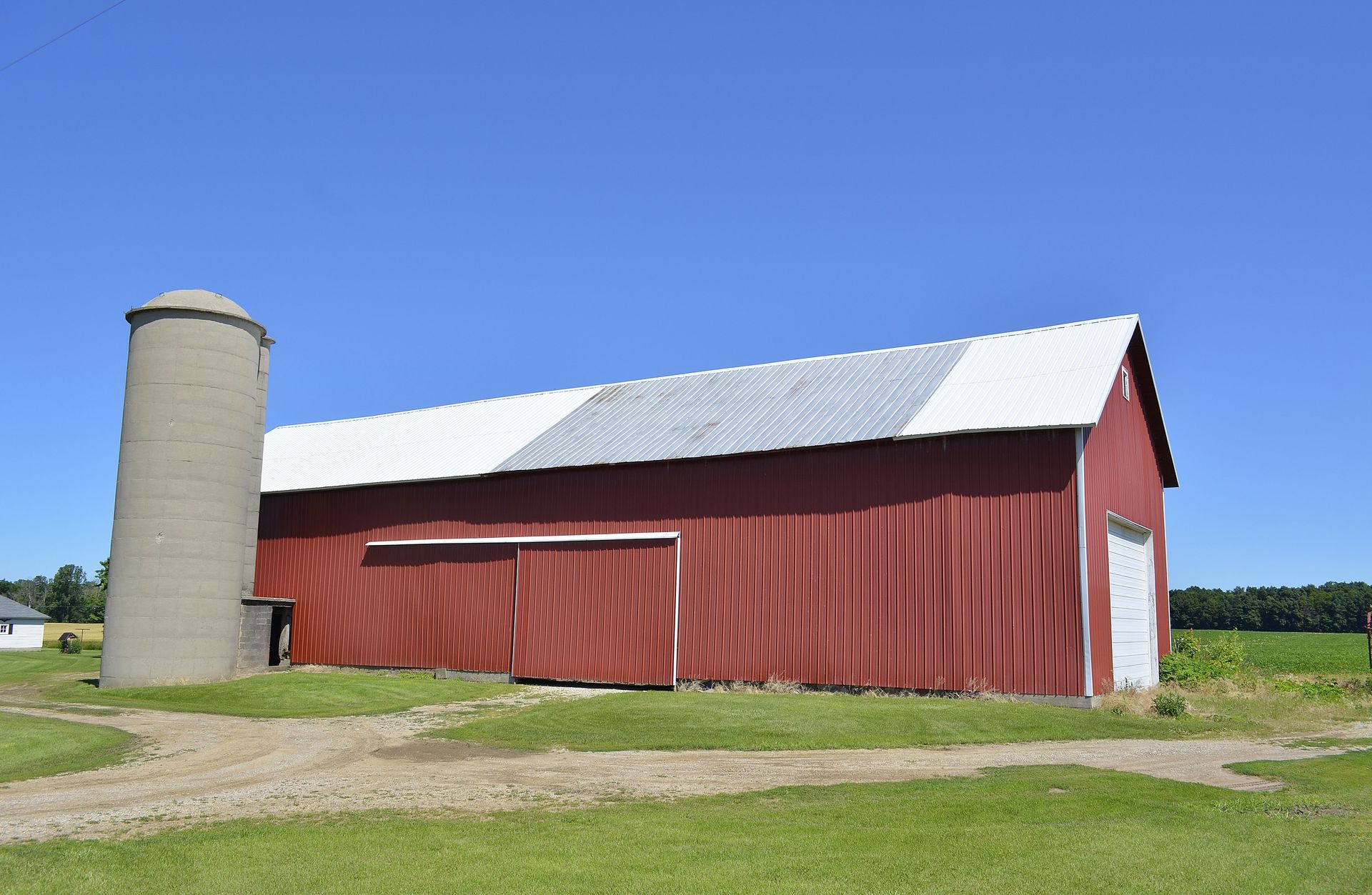
Still, insulation does not automatically control humidity. Some stored items require dehumidification or specific ventilation, and agricultural uses may need moisture management tailored to animals or stored products. The most useful upgrade addresses the actual contents and activities rather than treating every outbuilding like a house. For livestock, ventilation requirements and animal health should guide the plan; adding insulation without proper airflow can create problems rather than solve them.
Coordinate Insulation With Other Building Features
Insulation is easier to plan before interior walls, wiring, and equipment are installed. Think about electrical outlets, lighting, future plumbing, doors, and the location of any heating or cooling system. Changes made after finishing can require removing panels or rerouting services.
For pole barns intended as workshops or occupied spaces, discuss code requirements early. Local rules may affect fire protection, energy performance, ventilation, and whether a proposed use is permitted. An insulation contractor and building provider should agree on how materials will fit around framing, roof components, and service penetrations. Clear responsibilities help prevent gaps in the finished work.
Compare Upfront Spending With Ongoing Benefits
The price of insulation depends on surface area, product choice, installation access, and the amount of preparation required. A lower quote may exclude air sealing, protective finishes, or necessary moisture-control measures. Request written proposals that describe the materials, coverage, thickness, and included work.
Potential savings are most relevant when a building is heated or cooled often enough for reduced energy demand to matter. In an unconditioned storage building, comfort and protection may outweigh any utility savings. Compare alternatives using the expected years of use, maintenance needs, and whether future interior finishing is likely. Do not assume every upgrade will pay for itself through energy bills.
Consider Resale Value With Realistic Expectations
Insulation can make a structure more appealing to buyers who want a usable workshop or finished outbuilding, but market value depends on its condition, permitted use, and local demand. According to HomeGuide, a highly finished pole barn with flooring, insulation, and electricity can deliver a 50% to 80% return on investment. That estimate describes a combination of improvements, not the return from insulation alone.
For owners comparing finished and unfinished pole barns, the important question is whether added features match likely uses. A finished interior may appeal to one buyer while another values open storage space. Before spending heavily, consider the property's setting and discuss resale assumptions with a local real estate professional.
Protect Performance With Routine Maintenance
Insulation performs best when surrounding materials remain sound. Inspect roofs and walls for leaks, damaged seals, pest activity, and signs of trapped moisture. Keep drainage and ventilation openings functioning as designed. If insulation becomes wet or damaged, identify and correct the cause before replacing it.
Avoid covering problems with fresh interior panels. Small signs of corrosion, staining, or persistent condensation deserve attention before they affect a larger area. Keep installation records and product information for future repairs or renovations. Maintenance supports the value of the entire building, not just the insulation layer. After storms, check accessible roof edges and wall penetrations for changes, but leave elevated or unsafe inspections to a qualified professional.
Plan a Building That Stays Useful
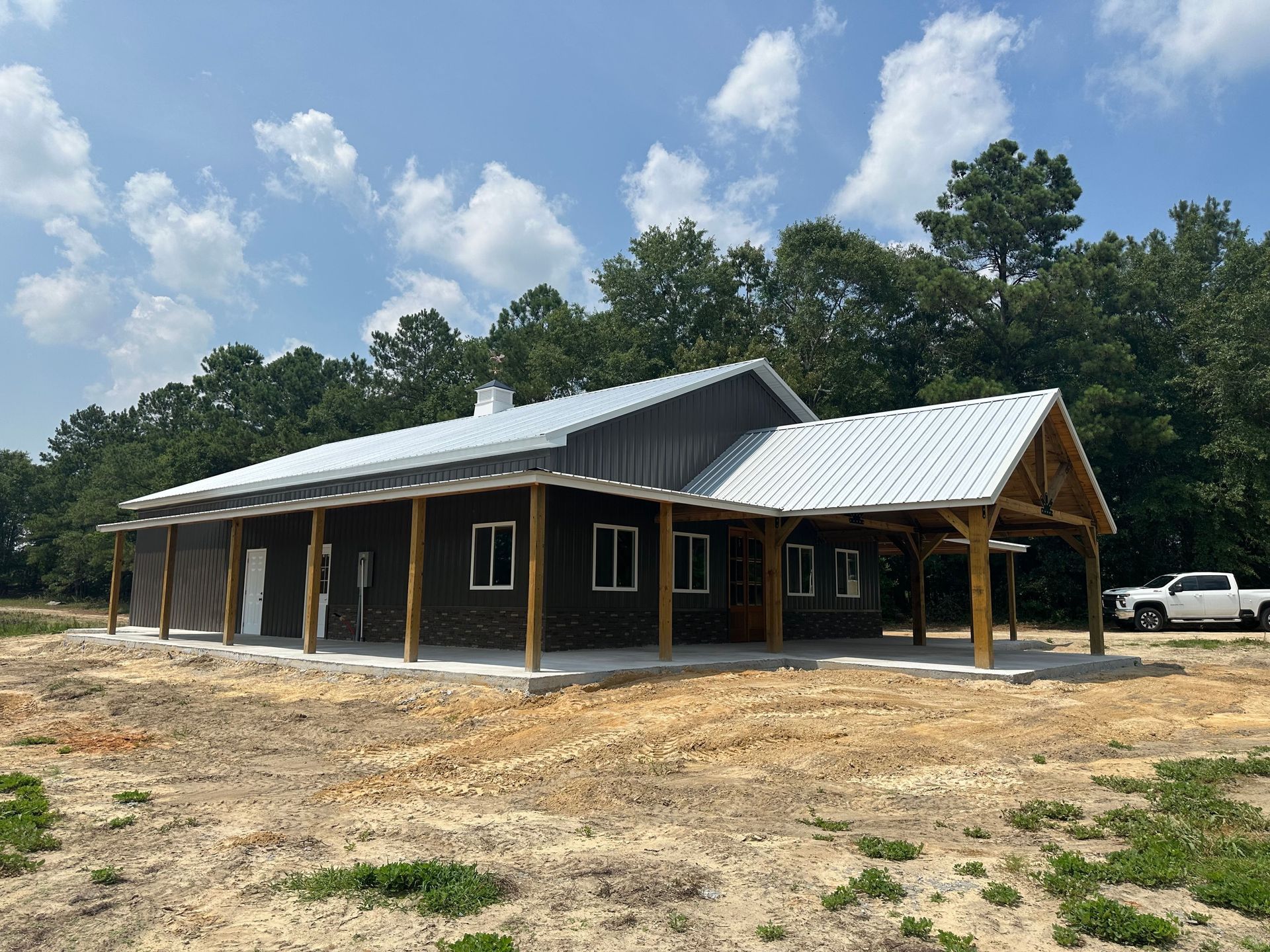
The long-term benefit of insulation comes from matching the assembly to the building's purpose. Better temperature control, thoughtful moisture management, and room for future upgrades can make an outbuilding more practical without promising a specific increase in property value.
The Big Shed Guy designs custom
pole barns and metal buildings for customers in Louisiana and Mississippi, including enclosed options with insulation. Contact the company to discuss intended uses, available features, and a layout that supports your plans before construction begins.